
 our Product
What We’re Offering Products
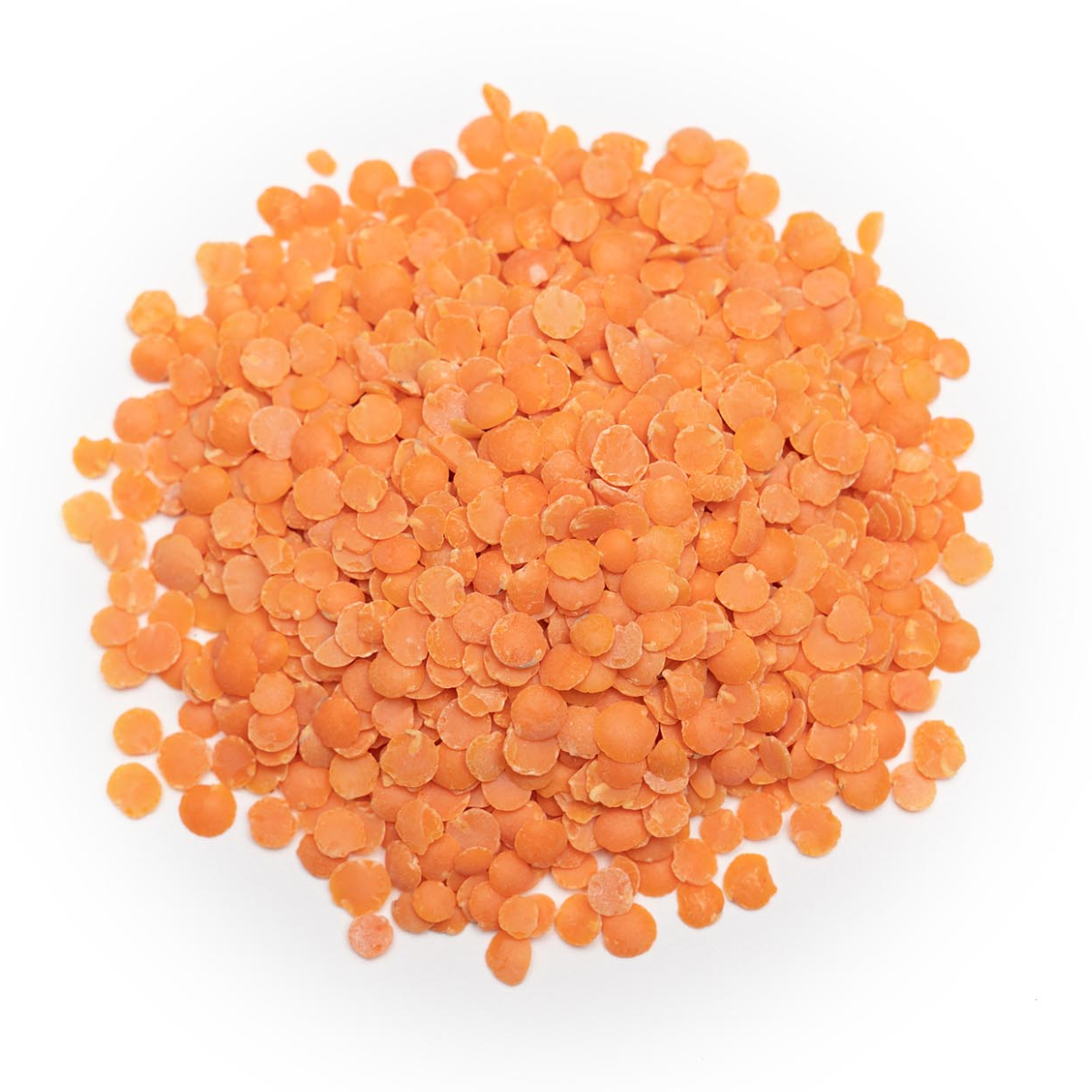
Red Lentils
Red Lentils, also known as Whole Red Lentils, are a popular legume widely consumed across the world, especially in South Asian, Middle Eastern, and Mediterranean cuisines. Description: ◇ Red Lentils have a reddish-orange seed coat with a mild, slightly sweet flavor. ◇ They are rich in protein, fiber, and essential nutrients like iron, folate, and magnesium. ◇ A great plant-based protein source, promoting heart health and digestion. ◇ Used in soups, stews, curries, and various traditional dishes. Cultivation: ◇ Grown primarily in Canada, India, Turkey, and Australia. ◇ Requires well-drained soil with a cool growing season. ◇ Typically takes 80-110 days to mature.
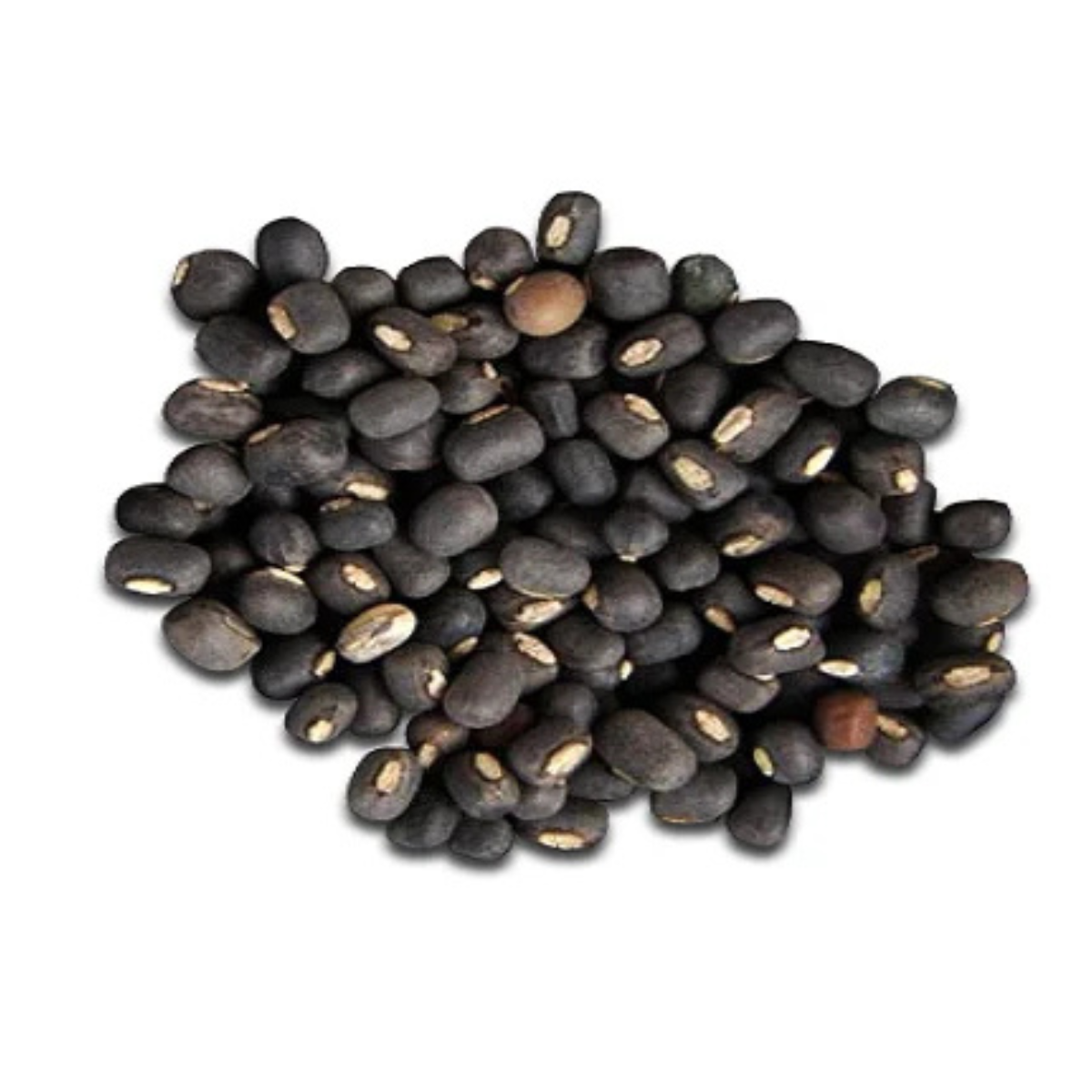
Black Mapte
Black Mapte, also known as Urad Whole or Black Gram, is a highly nutritious legume widely used in Indian and South Asian cuisine. It is a key ingredient in various traditional dishes. Description: ◇ Black Mapte has small, black seeds with a white interior and an earthy, rich flavor. ◇ It is an excellent source of protein, fiber, iron, and essential minerals like potassium and magnesium. ◇ Known for its numerous health benefits, including improved digestion and heart health. ◇ Commonly used in dals, soups, idli, dosa batter, and other Indian delicacies. Cultivation: ◇ Grown mainly in India, Pakistan, and parts of Southeast Asia. ◇ Requires well-drained soil with moderate moisture and warm climatic conditions. ◇ Typically takes 90-120 days to mature.

Green Mung
Green Mung, also known as Mung Beans or Green Gram, is a widely cultivated legume known for its high nutritional value and versatility in cooking. It is a staple in Asian, Indian, and Middle Eastern cuisines. Description: ◇ Green Mung beans are small, round, and green in color with a mild, slightly sweet flavor. ◇ They are an excellent source of plant-based protein, fiber, antioxidants, and essential minerals like potassium and magnesium. ◇ Known for their easy digestibility and health benefits, including improved gut health and energy levels. ◇ Commonly used in soups, curries, sprouts, and desserts. Cultivation: ◇ Grown in warm, tropical, and subtropical regions, including India, China, and Southeast Asia. ◇ Requires well-drained, sandy loam soil and moderate rainfall. ◇ Typically takes 60-90 days to mature.
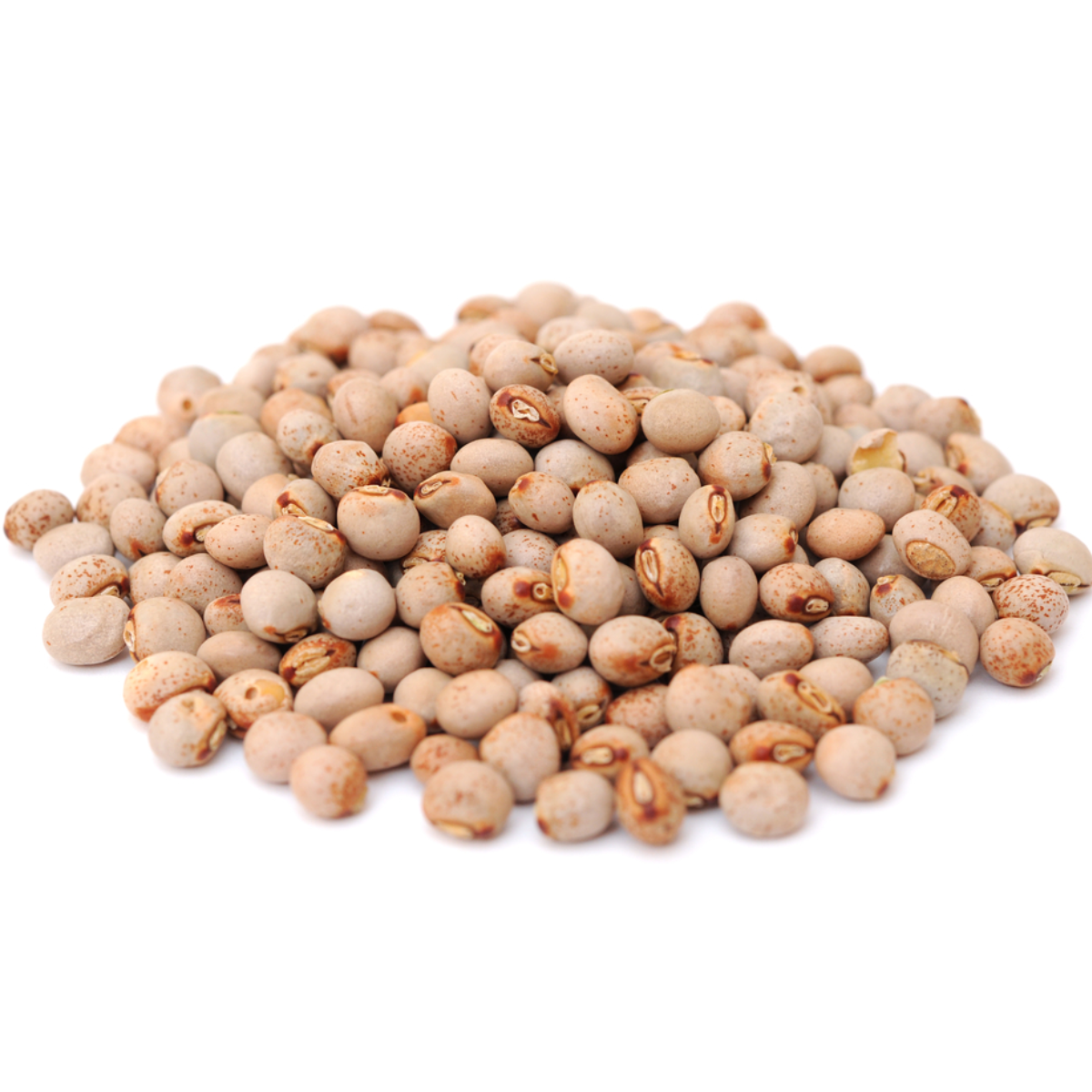
Pigeon Peas
Pigeon Peas, also known as Toor Dal or Arhar Dal, are a widely consumed legume, especially in Indian, African, and Caribbean cuisines. They are a staple ingredient in dal recipes and stews. Description: ◇ Pigeon Peas are small, oval-shaped legumes with a beige or light brown color. ◇ They are rich in protein, fiber, iron, and B vitamins, making them highly nutritious. ◇ Known for their slightly nutty and earthy flavor, perfect for curries and soups. ◇ Available in whole and split forms, commonly used in Indian dals and African stews. Cultivation: ◇ Grown in tropical and subtropical regions, including India, Africa, and the Caribbean. ◇ Thrive in warm climates with well-drained soil. ◇ Typically take 150-180 days to mature.
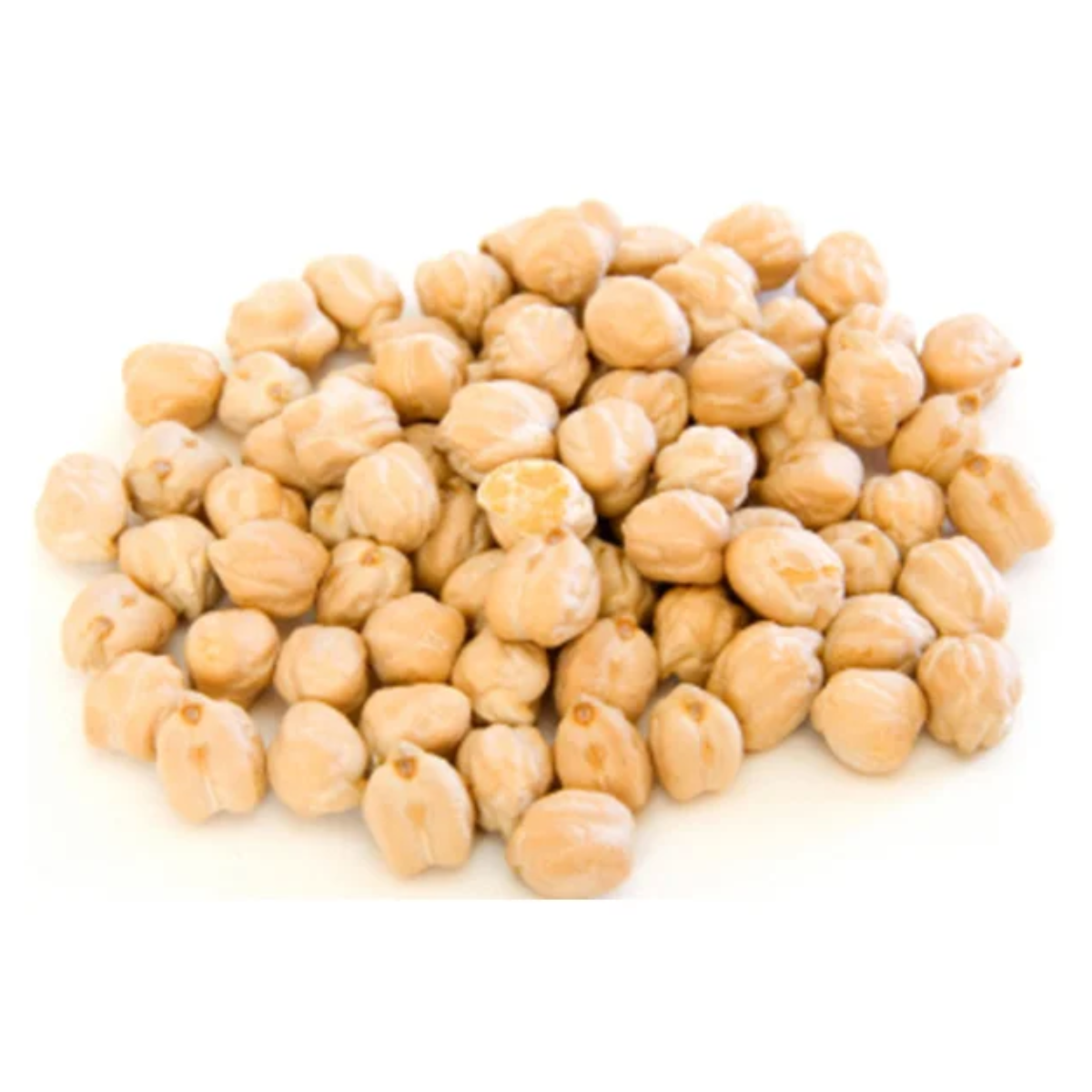
Kabuli Chickpeas
Kabuli chickpeas, also known as garbanzo beans, are a popular legume variety widely consumed across the world. They are commonly used in Middle Eastern, Mediterranean, and Indian cuisine. Description: ◇Kabuli chickpeas are larger, rounder, and have a smooth, cream-colored seed coat. ◇They are rich in protein, fiber, and essential vitamins like folate and iron. ◇They contain beneficial plant compounds that promote heart health and digestion. ◇A key ingredient in hummus, salads, and various traditional dishes. Cultivation: ◇Grown in temperate and semi-arid regions, including India, Mexico, Canada, and the Mediterranean. ◇Requires well-drained soil and cool growing conditions. ◇Typically takes 90-100 days to mature.
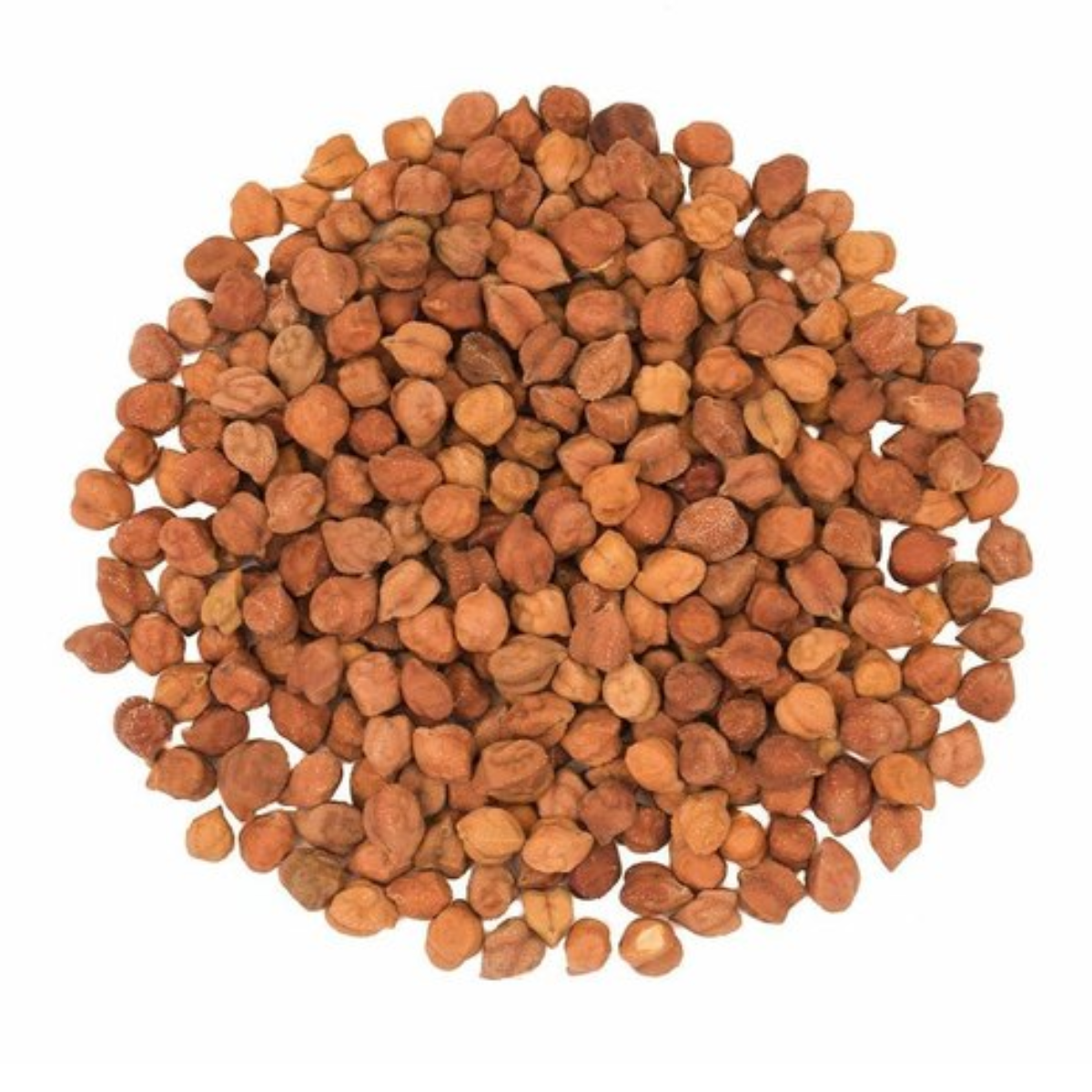
Desi Chickpeas
Desi chickpeas are a smaller, darker variety of chickpeas with a rough coat, widely used in Indian and South Asian cuisine. Description: ◇ Desi chickpeas are smaller and harder than Kabuli chickpeas, with a thick, rough skin. ◇ They are high in protein, dietary fiber, and antioxidants. ◇ Typically brown to black in color. ◇ Used to make chana dal when split and skinned. Cultivation: ◇ Grown in India, Pakistan, Ethiopia, and Australia. ◇ Drought-tolerant and thrives in semi-arid climates. ◇ Takes about 90-120 days to mature.
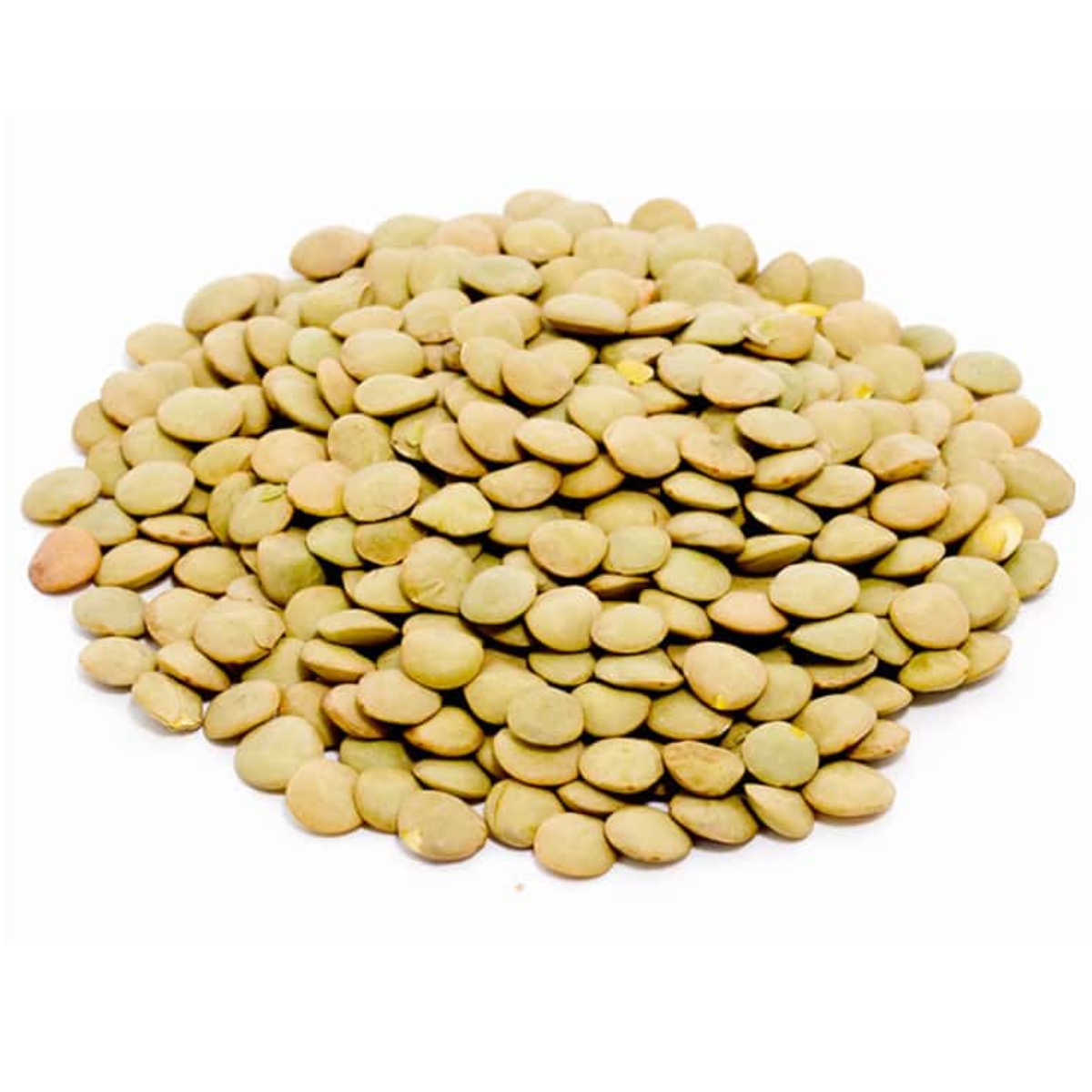
Laird Lentils
Laird lentils are a large green lentil variety known for their mild, earthy flavor and firm texture. They are commonly used in soups, salads, and stews. Description: ◇ Laird lentils are large, flat, and green in color with a smooth seed coat. ◇ They retain their shape well after cooking, making them ideal for a variety of dishes. ◇ High in protein, fiber, and essential nutrients like iron and folate. ◇ Known for their mild, slightly nutty taste. Cultivation: ◇ Primarily grown in Canada, the United States, Turkey, and Australia. ◇ Require well-drained soil and cool, temperate climates. ◇ Typically take 80-110 days to mature.
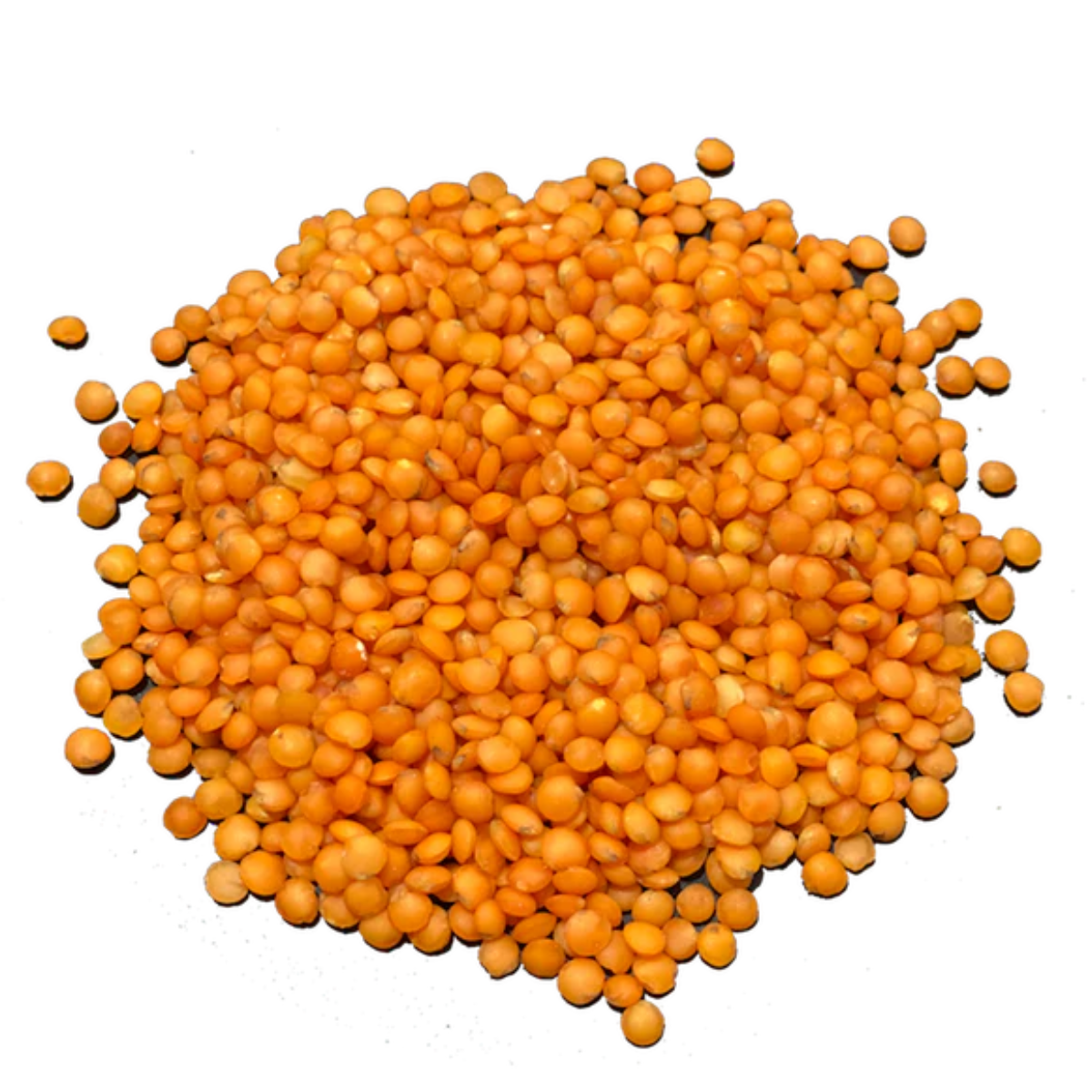
Red Football Lentils
Red Football Lentils are a popular lentil variety known for their round shape and vibrant red-orange color. They cook quickly and are widely used in soups, curries, and purees. Description: ◇ Red Football Lentils are round, split lentils with a smooth texture. ◇ They have a mild, slightly sweet flavor and become soft when cooked. ◇ Rich in protein, fiber, iron, and essential nutrients. ◇ Commonly used in Indian, Middle Eastern, and Mediterranean cuisines. Cultivation: ◇ Grown in countries like Canada, Turkey, India, and Australia. ◇ Thrive in cool, dry climates with well-drained soil. ◇ Typically take 80-100 days to mature.
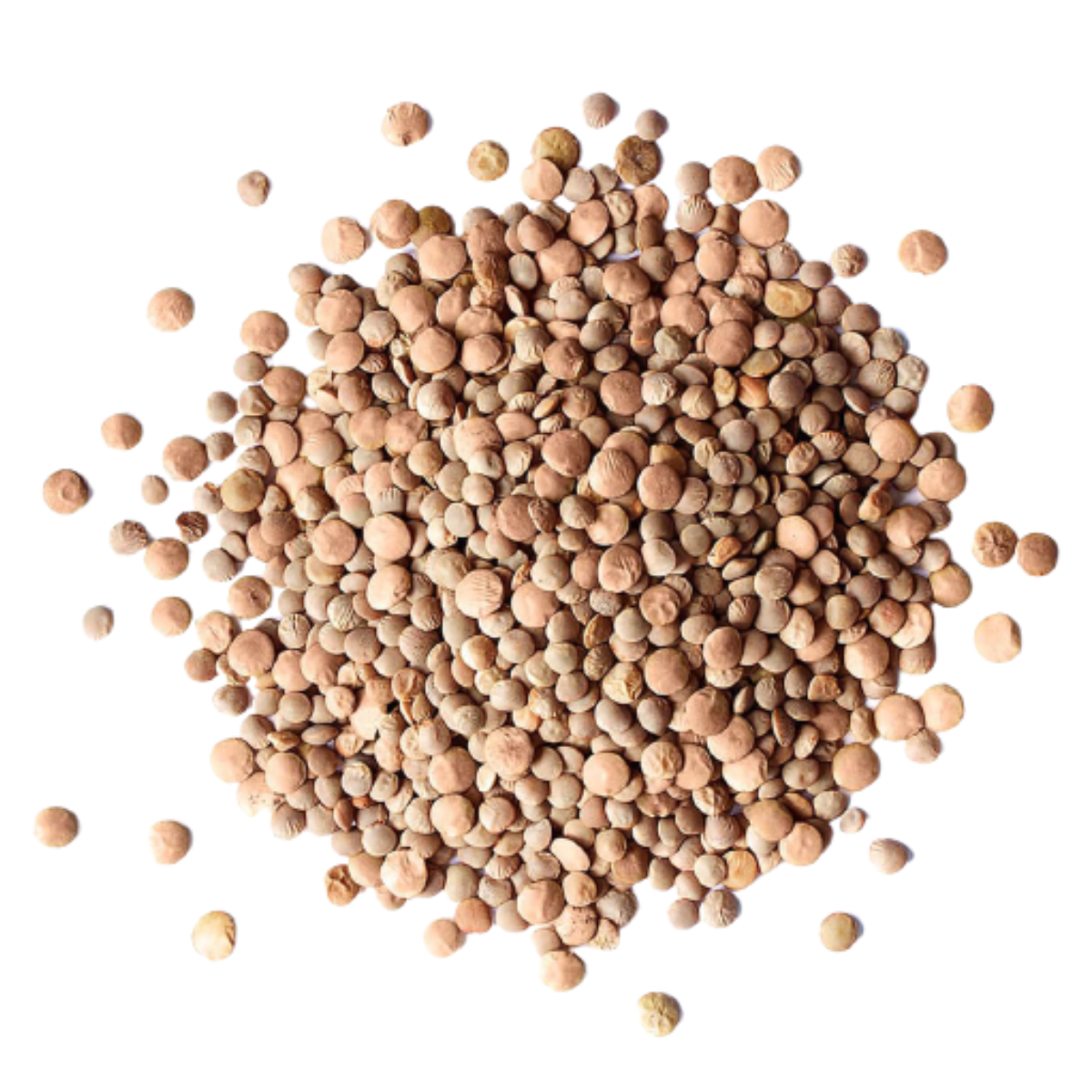
Whole Red Lentils
Whole Red Lentils are a nutritious and versatile legume known for their reddish-brown outer skin and soft texture when cooked. They are widely used in soups, stews, and curries. Description: ◇ Whole Red Lentils have a reddish-brown outer coat and an orange interior. ◇ They hold their shape better than split lentils and have a slightly earthy flavor. ◇ High in protein, fiber, iron, and essential vitamins. ◇ Commonly used in Indian, Middle Eastern, and Mediterranean dishes. Cultivation: ◇ Grown in Canada, India, Turkey, and Australia. ◇ Prefer cool climates and well-drained soil. ◇ Typically take 90-110 days to mature.
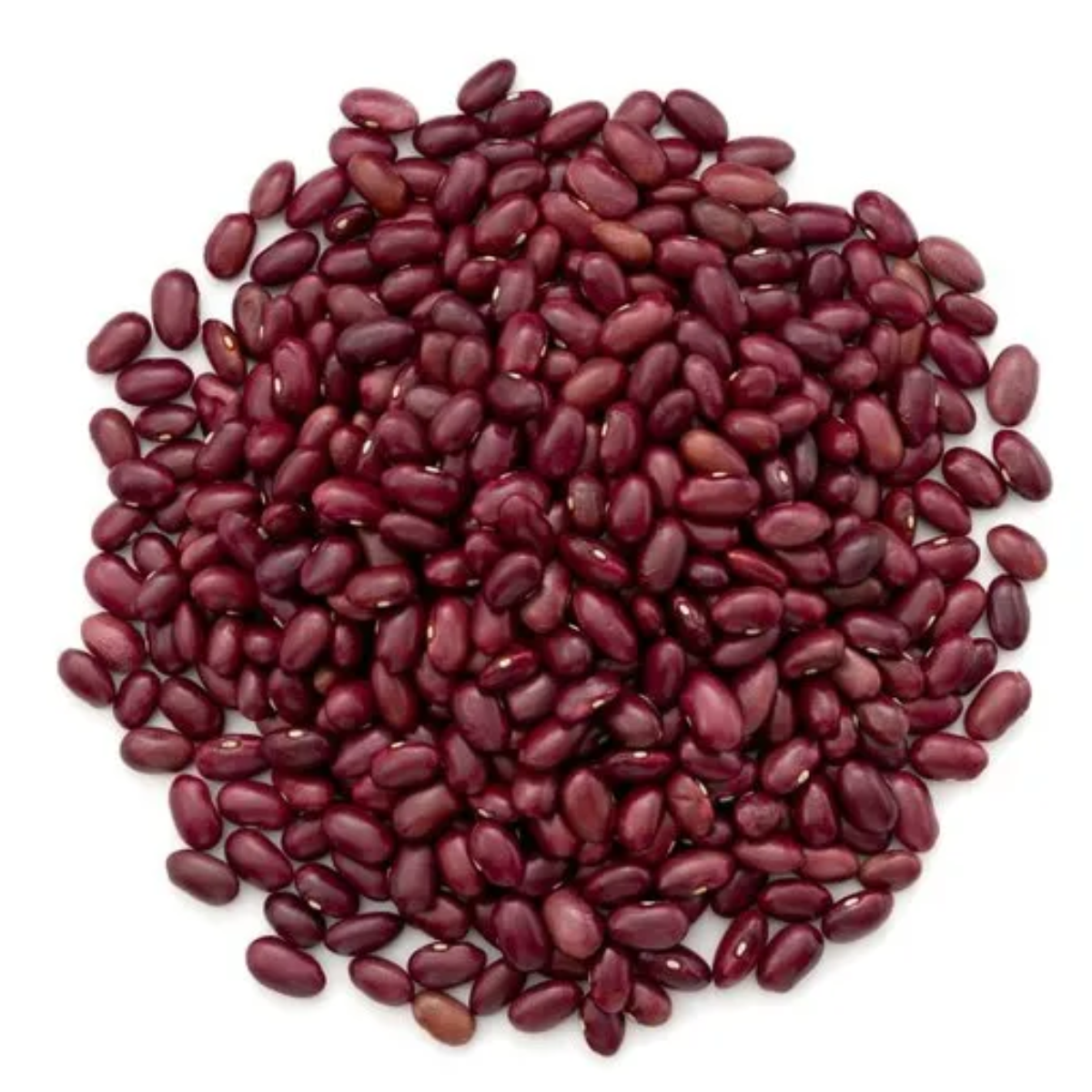
Dark Red Kidney Beans
Dark Red Kidney Beans are a popular legume known for their deep red color and kidney shape. They are widely used in soups, stews, and traditional dishes like chili and rajma. Description: ◇ Dark Red Kidney Beans have a firm texture and hold their shape well after cooking. ◇ Rich in protein, fiber, and essential nutrients like iron, folate, and potassium. ◇ Have a slightly sweet and nutty flavor, making them ideal for hearty meals. ◇ Commonly used in cuisines from India, Mexico, and the Caribbean. Cultivation: ◇ Grown in the United States, Canada, India, and China. ◇ Require well-drained soil and warm growing conditions. ◇ Typically take 90-120 days to mature.
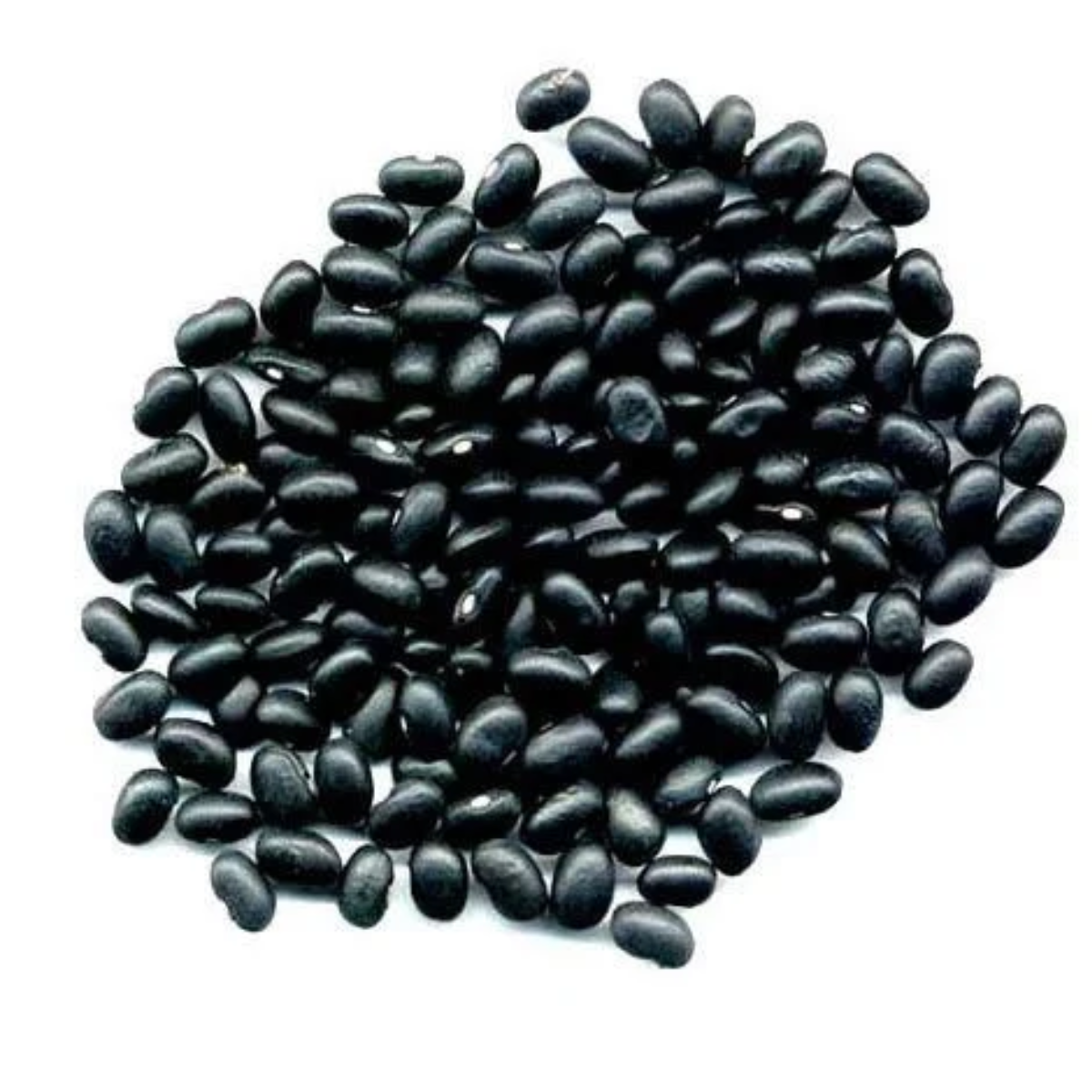
Black Beans
Black Beans, also known as Turtle Beans, are a small, shiny, black-colored legume widely used in Latin American, Caribbean, and Asian cuisines. Description: ◇ Black Beans have a dense, meaty texture and a slightly sweet, earthy flavor. ◇ They are rich in protein, fiber, and essential nutrients like folate, iron, and magnesium. ◇ Known for their high antioxidant content, which supports heart health. ◇ Commonly used in soups, salads, burritos, rice dishes, and various traditional cuisines. Cultivation: ◇ Grown primarily in the United States, Brazil, China, and India. ◇ Require warm temperatures and well-drained soil. ◇ Typically take 90-120 days to mature.
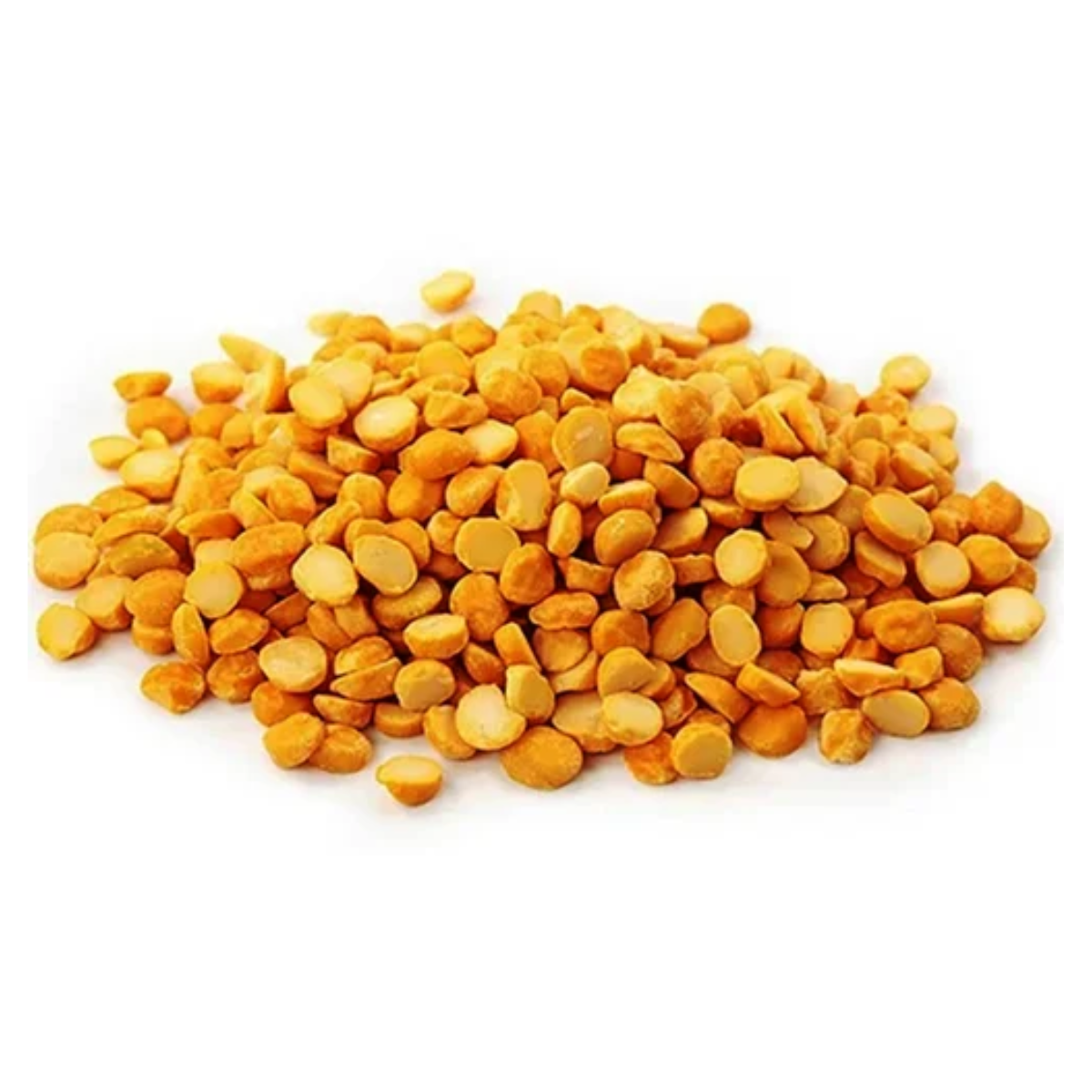
Chana Dal
Chana Dal, also known as split chickpeas, is a staple legume widely used in Indian and South Asian cuisine. It is derived from Desi chickpeas that have been split and polished. Description: ◇ Chana Dal has a rich, nutty flavor and a firm texture. ◇ It is packed with protein, fiber, and essential vitamins like B-complex and folate. ◇ A great source of plant-based protein, making it ideal for vegetarians and vegans. ◇ Used in curries, soups, stews, and snacks like fritters and savory pancakes. Cultivation: ◇ Grown extensively in India, Pakistan, Myanmar, and Australia. ◇ Requires well-drained soil and moderate temperatures for optimal growth. ◇ Typically takes 90-100 days to mature.
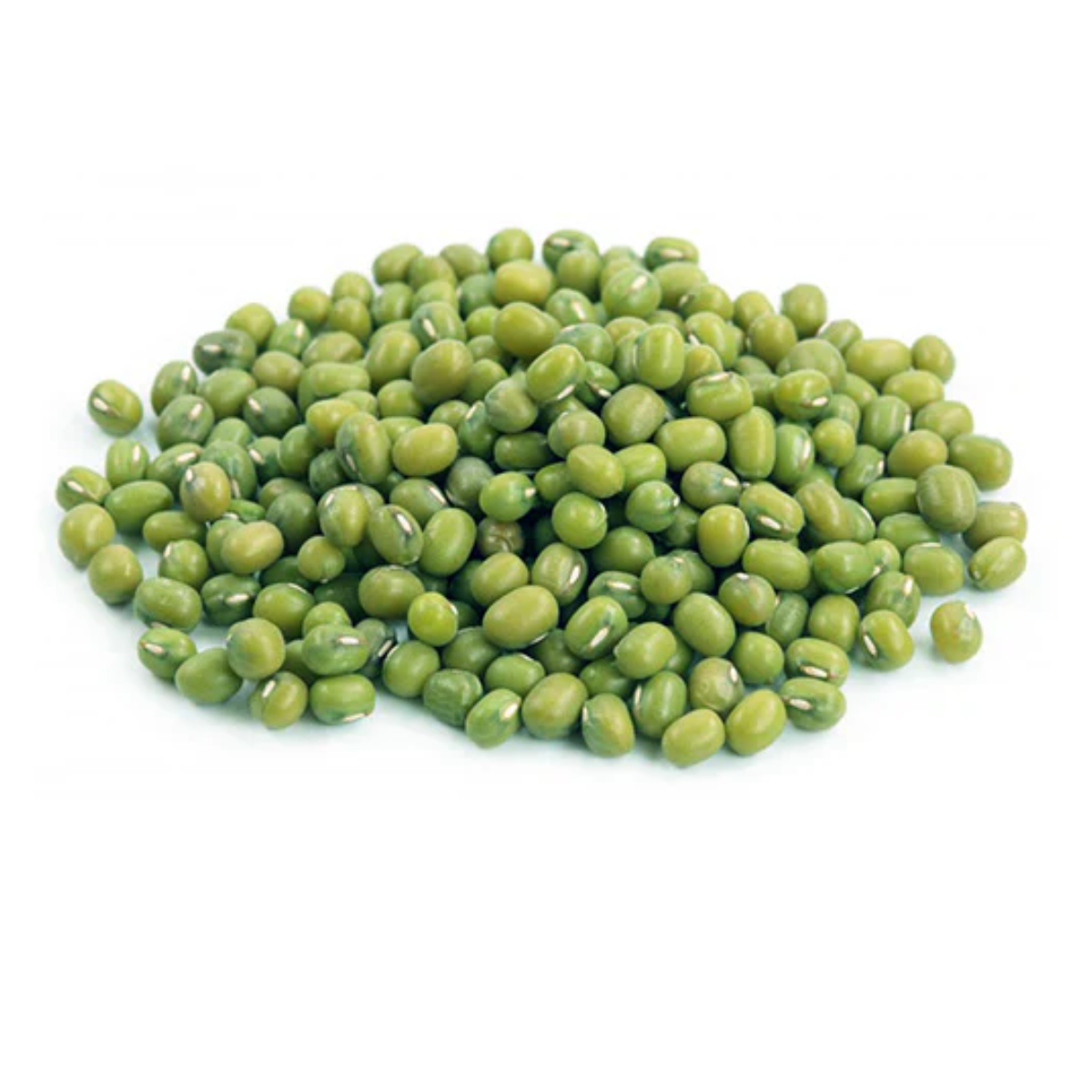
Moong Whole
Moong Whole, also known as whole green gram, is a highly nutritious legume widely used in Asian and Indian cuisine. It is known for its mild, slightly sweet flavor and versatility in various dishes. Description: ◇ Moong Whole is small, green, and oval-shaped with a soft texture when cooked. ◇ It is rich in protein, fiber, and essential nutrients like iron, potassium, and folate. ◇ Easily digestible and often recommended for a healthy diet. ◇ Used in soups, salads, curries, sprouts, and traditional sweets. Cultivation: ◇ Grown extensively in India, China, Myanmar, and Southeast Asia. ◇ Thrives in warm, dry climates with well-drained soil. ◇ Has a short growth cycle, typically maturing in 60-90 days.
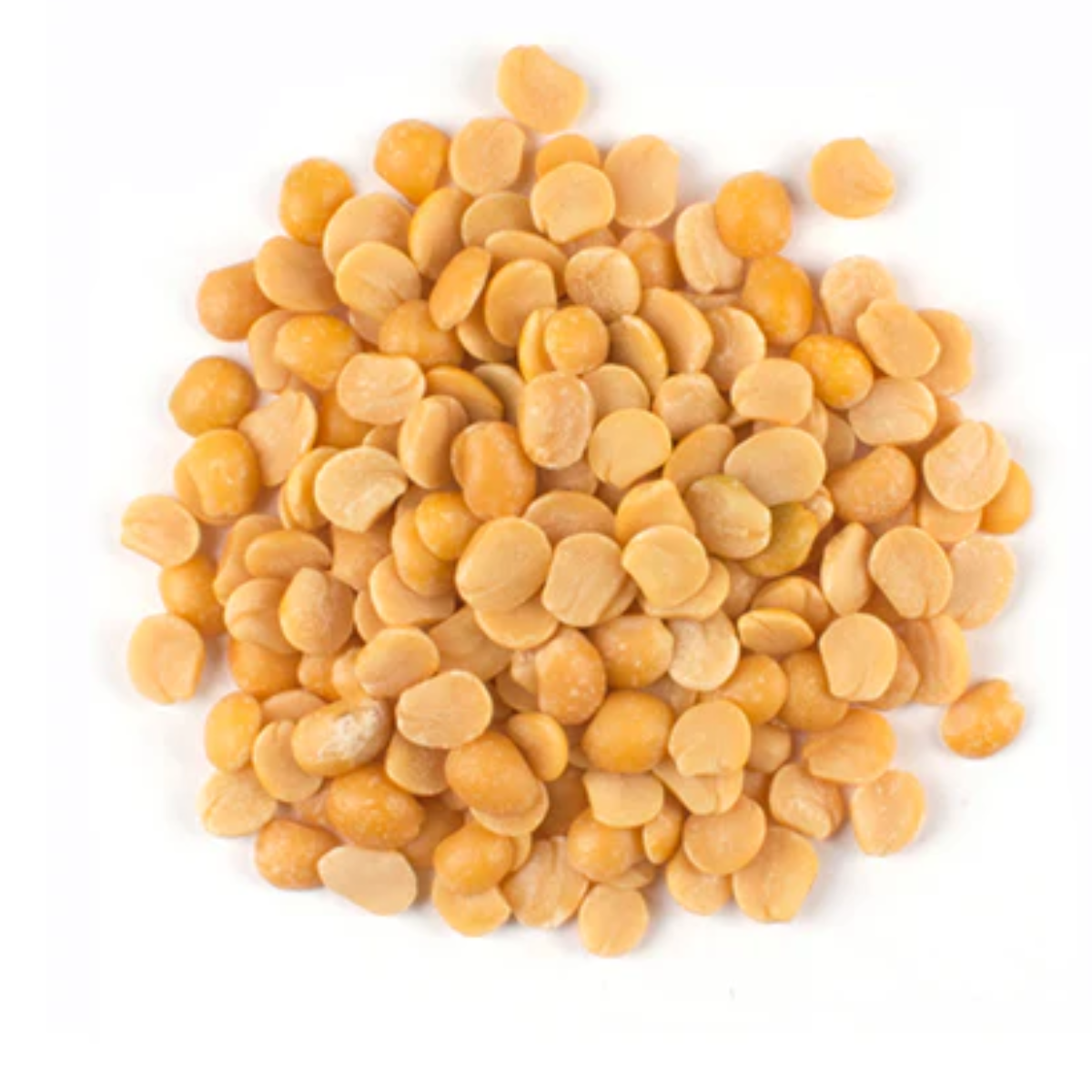
Toor Dal
Toor Dal, also known as Pigeon Pea or Arhar Dal, is a staple pulse widely consumed in Indian cuisine. It is valued for its rich taste, high protein content, and ease of cooking. Description: ◇ Toor Dal is yellow in color with a mild, nutty flavor. ◇ It is an excellent source of plant-based protein, fiber, iron, and B vitamins. ◇ Known for its quick cooking time and ability to blend well with spices. ◇ Commonly used in dal preparations, soups, and stews. Cultivation: ◇ Grown primarily in India, East Africa, and the Caribbean. ◇ Thrives in semi-arid tropical and subtropical regions with well-drained soil. ◇ Requires a long growing season, typically maturing in 120-150 days.